As I plan for my financial future, one of the best retirement tools I’ve found is the Roth IRA. If you’re new to this concept or just need a refresher, you’ve come to the right place.
I’m going to walk you through how Roth IRAs work, their key benefits, and what you need to know to make the most of this fantastic retirement vehicle.
What Makes Roth IRA Different from Other Accounts?
Roth IRAs stand out because they let you grow your investments without paying taxes on them when you retire. That’s right—tax-free growth and tax-free withdrawals in retirement, assuming you follow a few basic rules. I’m talking about contributions, growth, and withdrawals all happening with no tax bill when you pull the money out later. So, how does it work? Let’s break it down:
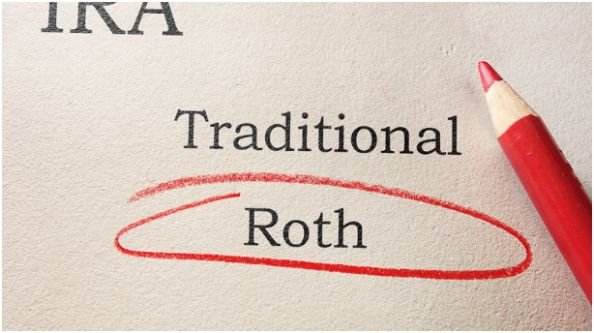
- After-Tax Contributions: You contribute to a Roth IRA with money that has already been taxed, unlike the Traditional IRA where you get a tax deduction upfront. The beauty here is, once you retire, you don’t owe any taxes on your earnings—because you’ve already paid them.
- Contribution Limits: In 2025, you can contribute up to $7,000 if you’re under 50. If you’re 50 or older, there’s an extra $1,000 catch-up contribution. But, your ability to contribute depends on your income, so make sure you check the Income Limits each year to confirm you’re eligible to contribute the full amount.
- No Required Minimum Distributions (RMDs): One of the coolest features of a Roth IRA is that you’re not forced to take out money at a certain age. Unlike Traditional IRAs, where you need to start taking required minimum distributions (RMDs) at 72, the Roth IRA gives you total freedom.
How to Make Withdrawals from a Roth IRA
With a Roth IRA, it’s not just about contributing—it’s about what happens when you need to access your money. The withdrawal process is where things get really interesting:
- Tax-Free Withdrawals in Retirement: If you’ve had your Roth IRA for at least five years and you’re over 59½, your withdrawals are completely tax-free. That means no income tax, no penalties. Sounds like a dream, right?
- Five-Year Rule: Here’s the catch. You have to let your Roth IRA sit for at least five years before you can withdraw any earnings tax-free. That’s the “Five-Year Rule” that the IRS enforces. If you withdraw earnings before five years, you may owe taxes and penalties unless you’re using the funds for specific exceptions, like buying a first home.
- Accessing Contributions: Here’s the best part—you can take your contributions (the money you put in) at any time, for any reason, without paying taxes or penalties. That’s because you’ve already paid taxes on that money when you first contributed.
What About Converting a Traditional IRA to a Roth IRA?

I get this question a lot: “Should I convert my Traditional IRA to a Roth IRA?” If you’re thinking about converting, here’s what you need to know:
- Tax Implications: When you convert a Traditional IRA to a Roth IRA, you’ll pay taxes on the amount you convert. Since Traditional IRA contributions are tax-deferred, the IRS treats this as taxable income.
- Future Benefits: The payoff, however, is huge. After the conversion, your Roth IRA grows tax-free and you won’t need to worry about RMDs. It’s a great move if you expect to be in a higher tax bracket in retirement.
- Step-by-Step Conversion: To convert, you can do a trustee-to-trustee transfer or a direct rollover. The process is simple, but you’ll want to have a tax plan in place to cover any liabilities that come with the conversion.
How to Start a Roth IRA: A Simple How-To Guide
If you’re ready to take the plunge, here’s how to get started:
- Choose a Provider: Find a financial institution or brokerage that offers Roth IRAs. Look for low fees, a user-friendly platform, and investment options that align with your goals.
- Open Your Account: Once you’ve picked a provider, open your Roth IRA account. You’ll need basic personal information like your Social Security number and employment info.
- Make Your Contribution: You can fund your Roth IRA by setting up a one-time contribution or by setting up regular, automatic transfers. Remember the annual contribution limits and make sure you stay within the eligible range.
- Invest Your Funds: Now comes the fun part. Invest your Roth IRA funds in stocks, bonds, mutual funds, or other investments that suit your risk tolerance and time horizon. I suggest starting with a diversified portfolio and regularly rebalancing.
Roth IRA Conversion FAQs
1. What happens if I withdraw from my Roth IRA early?
You can withdraw your direct contributions (the money you put in) at any time without penalties. However, if you withdraw earnings before you reach age 59½ or without meeting the Five-Year Rule, you could face taxes and a 10% penalty, unless an exception applies.
2. Can I convert a Traditional IRA to a Roth IRA at any age?
Yes! There’s no age limit for converting a Traditional IRA to a Roth IRA. However, you will owe taxes on the amount you convert. It’s a good strategy if you’re in a lower tax bracket now and expect to be in a higher one later.
3. Can I contribute to a Roth IRA if I already have a 401(k)?
Absolutely! You can contribute to both a Roth IRA and a 401(k), as long as you meet the income requirements for the Roth IRA. Keep in mind that your 401(k) has different contribution limits than a Roth IRA.
4. How do I avoid paying taxes on my Roth IRA withdrawals?
To avoid paying taxes on your Roth IRA withdrawals, your account must meet the five-year rule, and you must be at least 59½ years old. If you follow those rules, your withdrawals (both contributions and earnings) will be tax-free.
Why a Roth IRA Might Be Your Best Retirement Tool
When it comes to saving for retirement, tax-free growth and the ability to make tax-free withdrawals are big wins. A Roth IRA offers the kind of flexibility and freedom that many other retirement accounts just can’t match.
It’s perfect if you want to avoid the headache of required minimum distributions and if you’re planning to enjoy a long, tax-free retirement.
If you’ve been on the fence about starting a Roth IRA or converting your Traditional IRA, consider all the long-term benefits. As with any financial decision, make sure to consult with a financial advisor or tax professional to tailor your strategy to your goals.
And here’s a little tip from me: The earlier you start contributing to a Roth IRA, the more you’ll benefit from tax-free growth. Don’t wait—set yourself up for success today!